


Drive Components
Rigid Couplings
Precise, rigid torque transmission for reliable shaft-to-shaft connections.
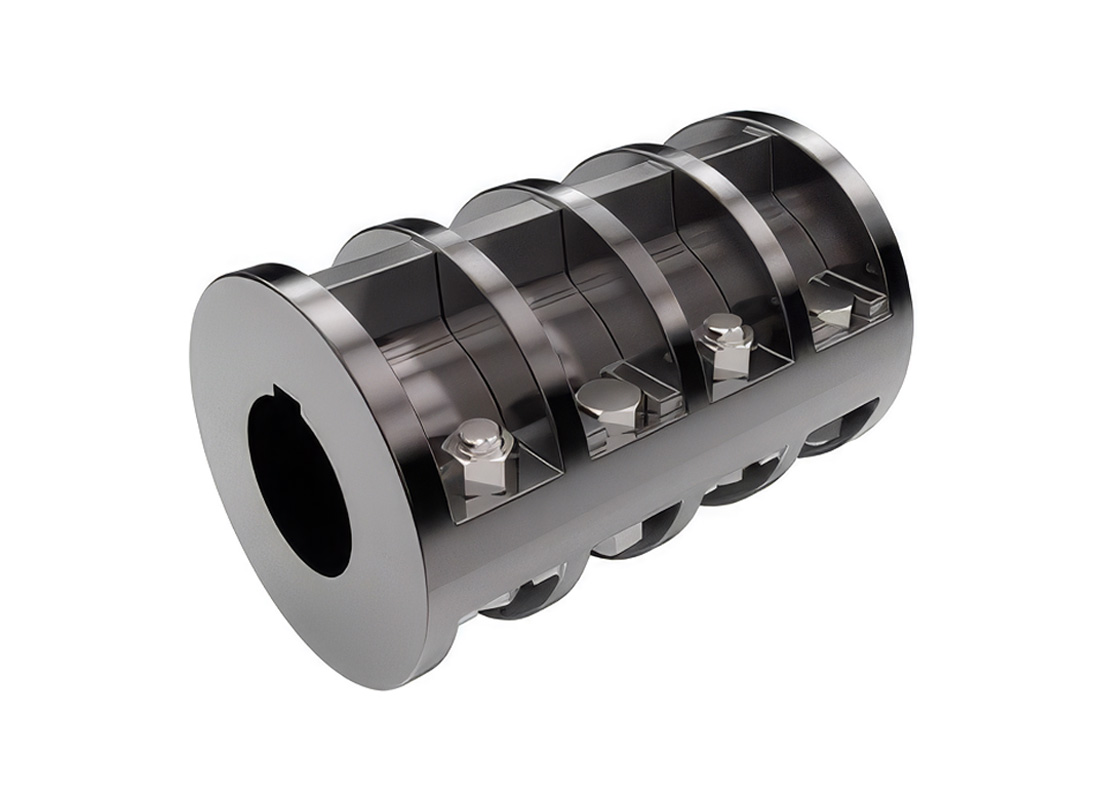
Reliable power transmission without compromise.
DESCH rigid couplings are designed for secure and reliable torque transmission in applications where a precise, rigid connection between two shafts is required. Unlike flexible couplings, rigid couplings are intended for applications where shaft misalignment and vibration damping are not required. Their robust construction provides a direct mechanical connection between connected shafts, supporting efficient power transmission and dependable operation in demanding industrial environments.
DESCH rigid couplings provide a straightforward solution for drive systems and machine tools where accurate shaft alignment and reliable torque transmission are essential.
Applications:

Industrial drive systems
Machine tools
General mechanical engineering
Applications requiring precise shaft alignment
Applications requiring rigid shaft-to-shaft connections
Demanding industrial operating environments
Choosing The Right Coupling For The Job
There’s a lot to consider when choosing the right DESCH product for your specific application.

Conditions
From environmental exposure to system constraints, the right solution must align with how your equipment runs.
Key factors to assess include:
- Environmental conditions
- Continuous or intermittent operation
- Required connection type

Application
The key is not where they’re used, but how they perform in your application.
When evaluating use cases, consider:
- Required torque transmission
- Shaft diameter and geometry
- Available axial and radial installation space

Design
DESCH rigid couplings are available in different designs and materials.
Our options include:
- Clamp coupling designs
- Flange coupling designs
- DIN 115 configurations
- More
Maintain For Longevity
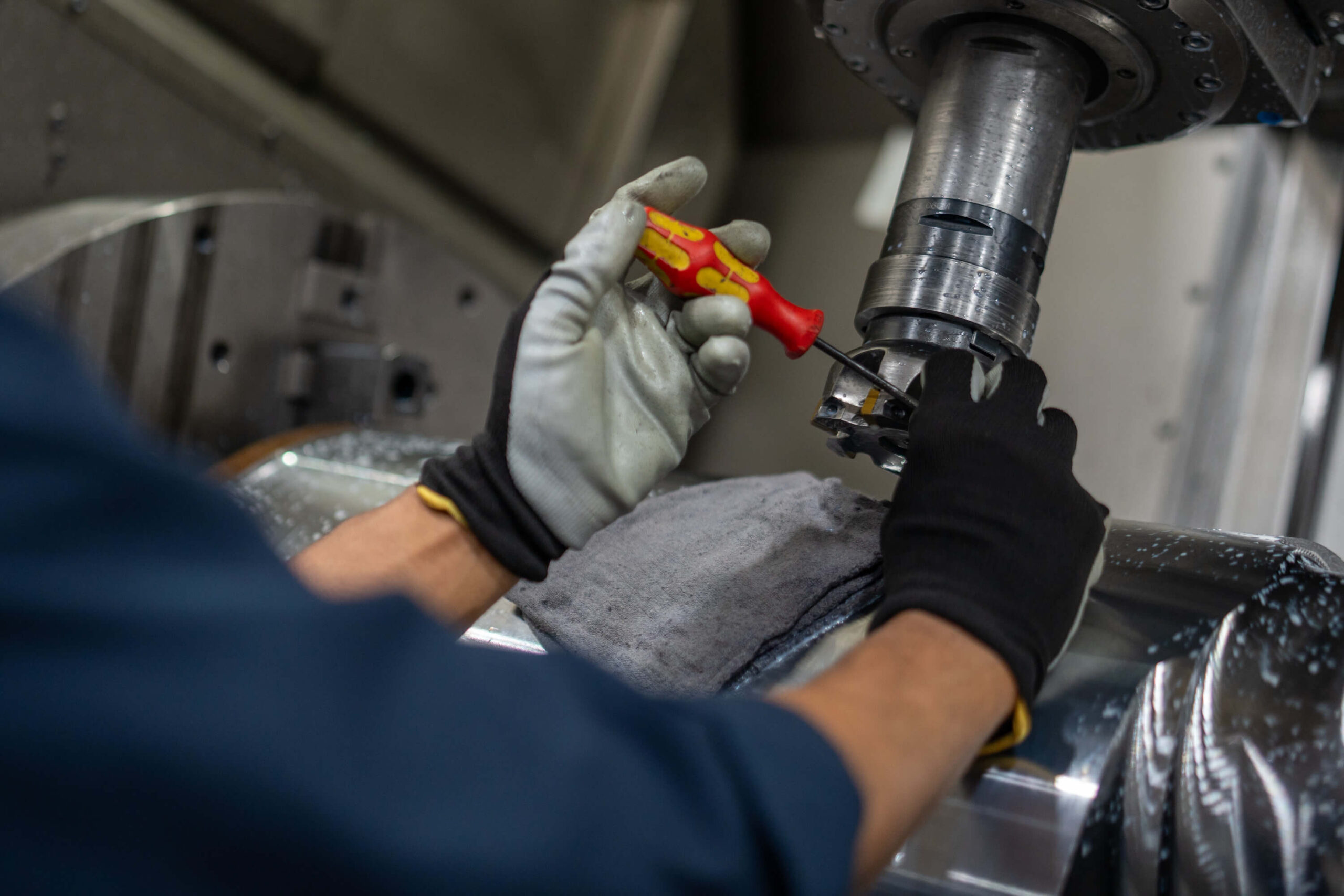
While DESCH products are engineered for long-term performance, appropriate maintenance helps protect reliability, extend service life, and prevent avoidable downtime.
- Ensure the connected shafts are correctly aligned before installation.
- Install the coupling according to the applicable DESCH technical documentation.
- Regularly inspect the coupling and connected shafts for signs of wear, damage, or movement.
- Check fastening and connection points as part of routine machine maintenance.
Or see what we can do for you!
