


Clutch & Brake
Slipping Hubs
Reliable overload protection, precise torque limitation and long service life.
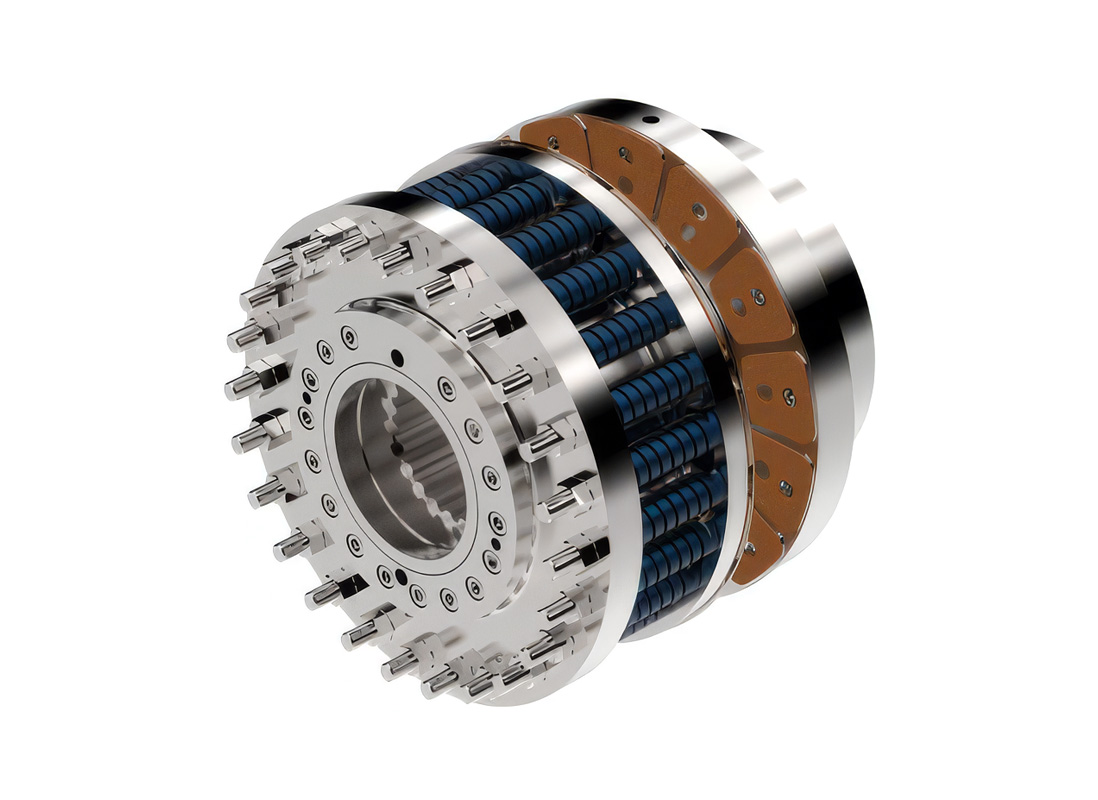
Reliable Overload Protection for Belt Drives
DESCH slipping hubs are engineered to protect belt-driven systems against damage caused by unexpected torque surges and overloads. The spring-actuated design provides precise torque limitation, allowing the slipping hub to protect critical drivetrain components when excessive loads occur. With a robust and reliable construction, DESCH slipping hubs provide an effective solution for demanding drive applications where overload protection, high torque transmission and dependable operation are essential. Their low-maintenance design supports long-term machine availability while helping reduce the risk of costly drivetrain damage and unplanned downtime.
The DESCH slipping hub is particularly suited to the following applications:

Stationary Recycling Plants
Conveyor Systems
Energy Technology
Slipping Hubs
The DESCH spring-actuated slipping hub is designed to protect belt drives against overload and unauthorized torque surges. It provides precise torque limitation and reliable overload protection for demanding drive applications where safety, durability and dependable power transmission are essential. The slipping hub is capable of transmitting high torques while maintaining a low-maintenance operating profile, making it well suited to heavy-duty belt-drive applications.
- Spring-actuated design for reliable overload protection
- Protects belt drives against excessive torque surges
- Precise torque limitation
| Torque | 15,000 Nm to 50,000 Nm |
| Housing Connection | SAE 6 to SAE 00 |
| Flywheel Connection | 8” – 21” |
Choosing The Right Slipping Hub For The Job
There’s a lot to consider when choosing the right DESCH product for your specific application.

Conditions
From environmental exposure to system constraints, the right solution must align with how your equipment runs.
Key factors to assess include:
- Operating load and torque requirements
- Expected overload and torque-surge conditions
- Belt-drive configuration

Use Case
The key is not where they’re used, but how they perform in your application.
When evaluating use cases, consider:
- Required torque transmission
- Potential blockage and overload conditions
- Peak torque levels

Integration
The slipping hub must be matched to the mechanical configuration of the drive system to ensure reliable torque transmission and effective overload protection.
Integration factors include:
- Housing connection size
- Flywheel connection size
- Shaft and belt-drive configuration
Maintain For Longevity
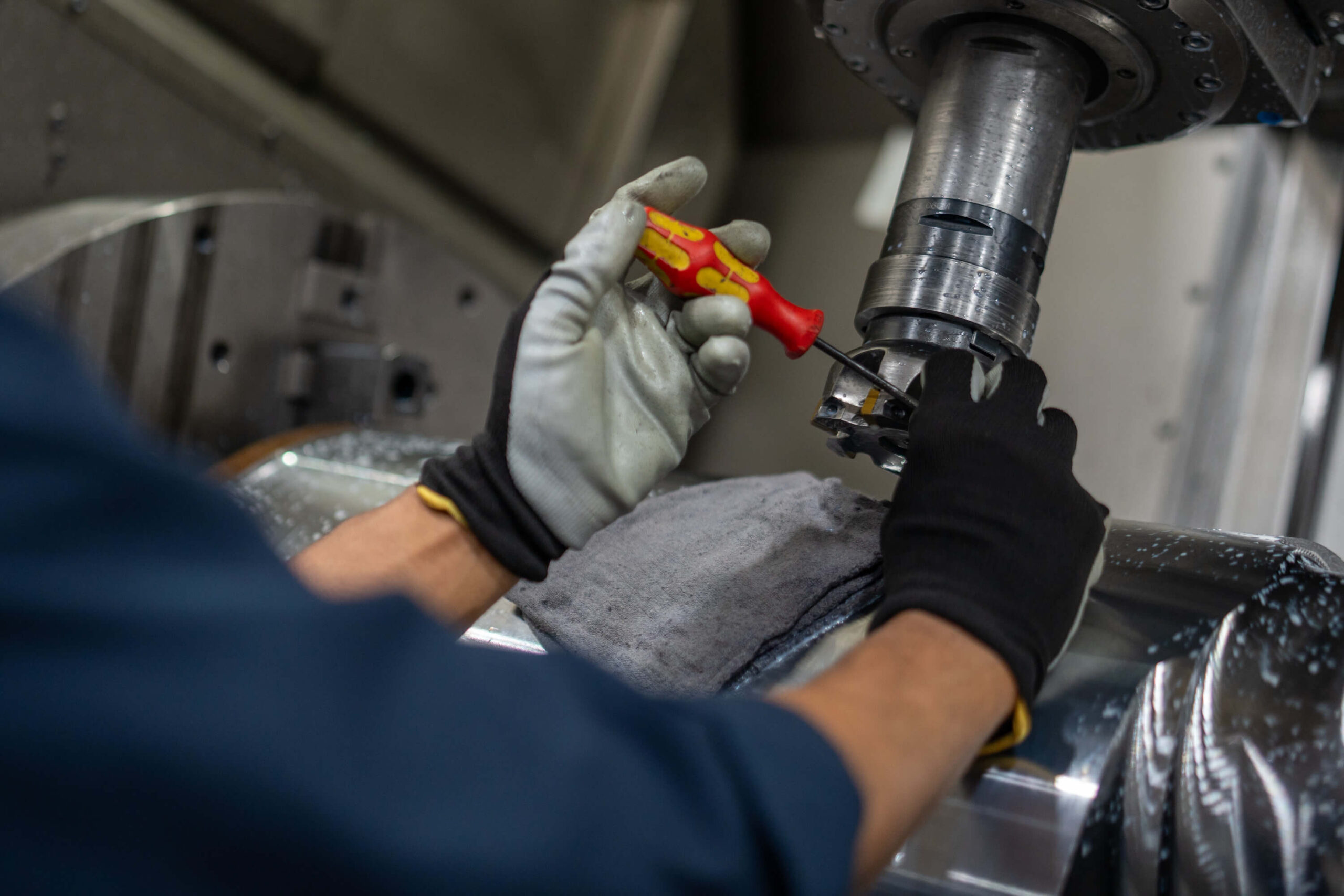
While DESCH products are engineered for long-term performance, appropriate maintenance helps protect reliability, extend service life, and prevent avoidable downtime.
- Install the slipping hub according to DESCH specifications and instructions
- Verify the specified slipping torque during commissioning and after relevant maintenance
- Inspect the hub and surrounding drivetrain components for signs of wear or damage
- Monitor the system for repeated or abnormal overload events
Or see what we can do for you!
